

My First COP: Finding Hope for Nature
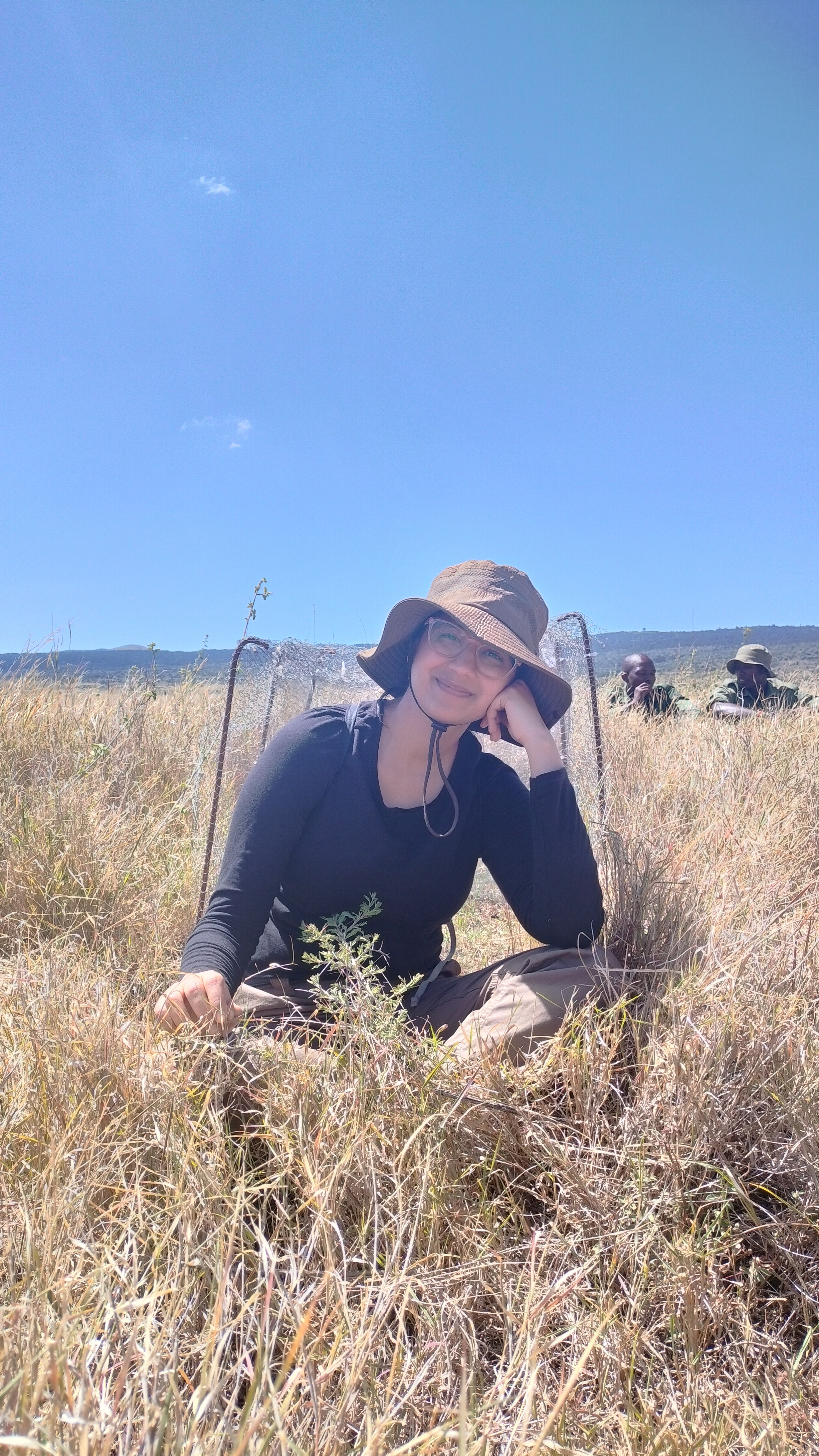
Megha is a postdoctoral researcher at the Leverhulme Centre for Nature Recovery, where she is working on the development of a biodiversity intactness index for tropical savannas. Her research focuses on understanding the ecological health of savannas, particularly in relation to herbivory intensity and various management interventions.

I attended the seventeenth CBD-COP (Convention of Biological Diversity, Conference of Parties) in Yerevan as a part of Oxford’s delegation, and this was my first COP ever. As scientists, we often work in relative isolation exploring new ideas, publishing papers, and sometimes communicating our work through popular science articles. Even the conferences we attend to exchange ideas, are largely with other scientists. It is rare to experience something like COP, where scientists, policymakers, Indigenous communities, businesses, and people from across geographies and areas of expertise come together under one roof.
COP was therefore an exciting and completely different experience from anything I had attended before. There is so much happening all the time that you constantly feel you should be in several rooms at once. There are many voices and often very different perspectives, but what struck me was the shared purpose underlying them: everyone is trying, in their own way, to find solutions for protecting nature. Some conversations are difficult, with Parties holding almost opposite positions, yet the process is about finding common ground. It can sometimes be painfully slow, but watching people work late into the night, every single day, towards finding common ground made me realise what lies at the heart of the process- we are not working against each other, but together against the loss of nature. I also recognised a prevalent feeling that this COP is particularly important because 2030 is approaching quickly (the deadline year to achieve 30 by 30), while an enormous amount of work remains to be done to achieve the target. There was a clear sense of urgency around finding common ground faster and translating commitments into action, and it was striking to see how hard people were working towards that.
Some of the side events I found most interesting were those bringing together business and biodiversity. The world runs on money, and conservation requires finance. But there is a growing recognition among businesses that investing in nature is not simply charity or supporting a “good cause”. Businesses themselves depend on functioning ecosystems, and conserving nature is therefore increasingly understood as essential to their own long-term sustainability. This was a refreshing change to witness within the business community.
Scientists have spent decades developing indicators and metrics for measuring biodiversity and ecosystem health, and businesses increasingly recognise their importance. Yet there remains a gap between the knowledge that exists, recognising its value, and actually implementing it. Many conversations therefore centred on a deceptively simple question: how do we bring biodiversity into business boardrooms in a form that can influence decisions and allow finance to start flowing towards conservation?
Another highlight for me was seeing how consistently Indigenous peoples and women from around the world were represented in conversations whether in business events, ministerial discussions, or conservation sessions. I was also struck by how questions in every room were welcomed and discussed with kindness and openness, even when perspectives differed.
My first COP has changed how I think about the worlds of politics, finance, science, and conservation. It gave me hope. Whatever dominant narratives we encounter on social media or in the news, I saw people from very different backgrounds genuinely trying, at their own level, to conserve nature. It is certainly not easy, but neither is it impossible. Conservation does not operate like a food chain, with a clear hierarchy and someone at the top. It is much more like a food web interconnected and interdependent, with scientists, communities, governments, businesses, and civil society all playing different but necessary roles.

For me, this was an incredibly hopeful experience. It reminded me that the reward of working in ecology extends beyond the personal fulfilment of doing science. The research we produce can be heard, used, and translated into decisions that influence policy and ultimately contribute to protecting nature. Each contribution may feel small, but perhaps it is precisely these small contributions, coming from many different people, that create meaningful change.
Finally, Armenia with its deep history, rich culture, and beautiful landscapes felt like a wonderful setting for COP. The landscape was as memorable as the people, who, although often quietly reserved, were always kind and helpful. I leave my first COP with new perspectives, renewed motivation, and, above all, a great deal of hope.


Comments